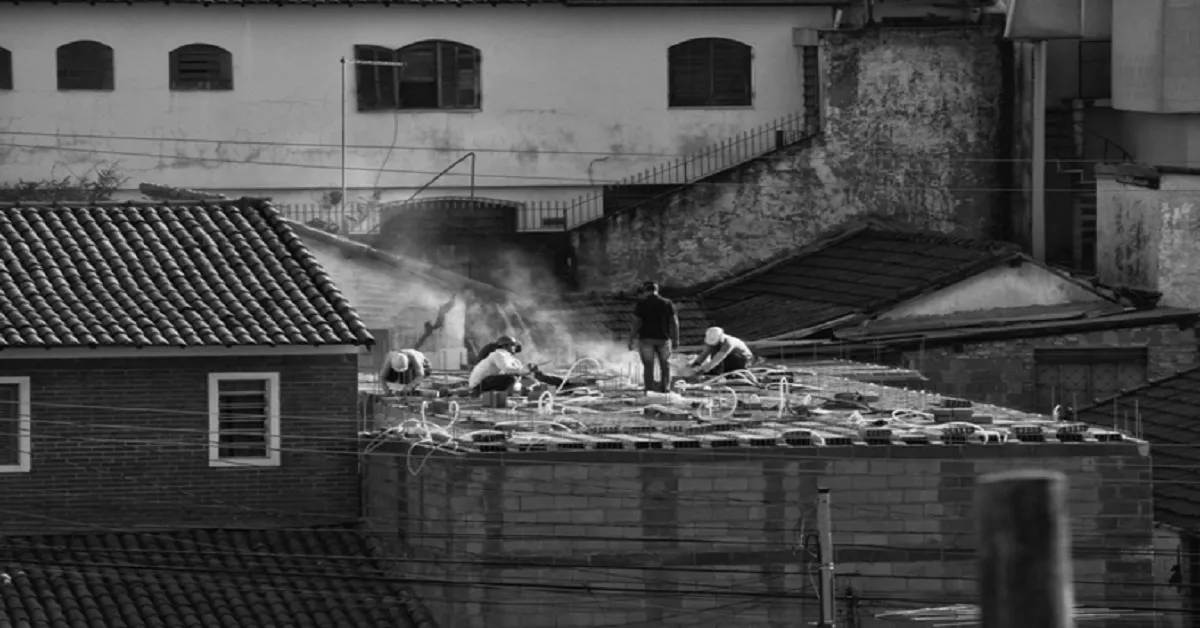
For decades, workplace safety programs have leaned on one assumption: if workers are trained, equipped and reminded often enough, they will protect themselves. That model has saved countless lives, yet it still depends on people making the right choice every single time. Fatigue, rushed deadlines and simple distraction get in the way. A growing number of employers now ask a different question. Instead of relying on behaviour, how can the work environment itself prevent injuries before anyone has to react?
Understanding Active and Passive Risk Mitigation
Active protection requires the worker to do something. Clipping a lanyard to an anchor, putting on a harness or setting up a portable barrier are all active measures. Passive protection works without any action from the person exposed to the hazard. Guardrails, permanent covers and well designed fall protection systems that are built into a structure keep people safe whether or not they remember the procedure on a busy afternoon.
Both approaches have their place, and most sites use a mix of the two. The difference lies in where the burden sits. With active measures, safety depends on training, supervision and individual discipline. With passive ones, the responsibility moves upstream to engineers, planners and managers, who remove or isolate the hazard before a worker ever steps onto the site.
Why Human Error Remains the Weak Link
Even the most conscientious employee has off days. A worker who has climbed the same ladder hundreds of times may skip a step when a supervisor calls them away. Personal protective equipment can be worn incorrectly, inspected too rarely or left in the truck. None of this reflects bad intent. It simply reflects how people behave under time pressure and routine.
Safety professionals have known this for a long time. The hierarchy of controls, used by regulators and safety organizations across North America, ranks personal protective equipment near the bottom precisely because it relies on correct use. Elimination, substitution and engineering controls sit higher on the list because they reduce exposure regardless of what any one individual does.
Engineering Controls Move to the Front of the Plan
Passive risk mitigation is really the hierarchy of controls applied with conviction. On a rooftop, that might mean installing a permanent parapet or guardrail instead of issuing harnesses for every maintenance visit. On a loading dock, it can mean gates that close automatically when a trailer pulls away, so nobody steps off the edge by mistake.
These solutions usually cost more up front than a box of harnesses. Over the life of a building, though, they tend to pay for themselves. Fewer incidents mean lower compensation costs, less downtime and fewer investigations. They also cut the hours spent on refresher training for equipment that workers would otherwise need to set up correctly every time.
Designing Safety Into New Projects
The best time to build in passive protection is before the first beam goes up. Prevention through design asks architects and engineers to think about the people who will clean windows, service rooftop units or replace skylights years after construction ends. Adding anchor points, walkways and permanent edge protection to the drawings is far easier than retrofitting them later.
This approach also changes conversations between owners and contractors. Instead of treating safety as a line item handled on site, it becomes part of the building specifications. Facility managers inherit a structure that is easier and safer to maintain, and maintenance crews spend less time rigging temporary systems before they can start the actual job.
Retrofitting Existing Facilities
Most workplaces are not new builds, so the shift toward passive protection often starts with an audit. A qualified specialist walks the site, identifies fall hazards, confined spaces and moving machinery, then ranks them by frequency of exposure and severity of potential injury. The goal is to find where a permanent fix offers the biggest gain.
Some upgrades are simple, like adding self closing gates at ladder openings or covering skylights with rated screens. Others require engineering work, such as designing a guardrail system that does not damage the roof membrane. Phasing these projects over several budget cycles lets employers make steady progress without stopping operations.
Where Active Systems Still Make Sense
Passive measures are not always practical. Short, infrequent tasks in unusual locations may not justify a permanent installation. In those cases, active systems such as harnesses, lifelines and travel restraint remain the right answer. What changes is that they become a deliberate choice for specific situations rather than the default response to every hazard on site.
The Role of Technology and Data
Sensors and connected equipment are adding a new layer to passive protection. Proximity alerts on heavy machinery, gas detectors that trigger ventilation automatically and smart anchors that report when they are under load all reduce the need for workers to monitor risks themselves. These tools do the watching so people can focus on the task.
Data also helps safety managers spot patterns. Near miss reports, inspection logs and equipment usage records reveal which areas generate the most exposure. That information guides investment toward the hazards that matter most, rather than spreading resources evenly across a site where risks are anything but even.
Building a Culture That Supports the Shift
Engineering changes work best when the workforce understands why they are happening. Some experienced workers may see guardrails or automatic gates as a sign that management does not trust them. Explaining that passive protection is about removing pressure, not about doubting skill, helps gain buy in from the people closest to the hazards.
Training does not disappear either. Workers still need to know how systems function, what to report and when an active measure is required. The difference is that training becomes a backup layer instead of the only thing standing between a worker and a serious injury. That is a far more forgiving place for any safety program to be.